TL;DR

Get furniture and decor delivered free with Prime
- Fast, free delivery on millions of items
- Prime Video, Amazon Music and more included
- Member-only deals all year
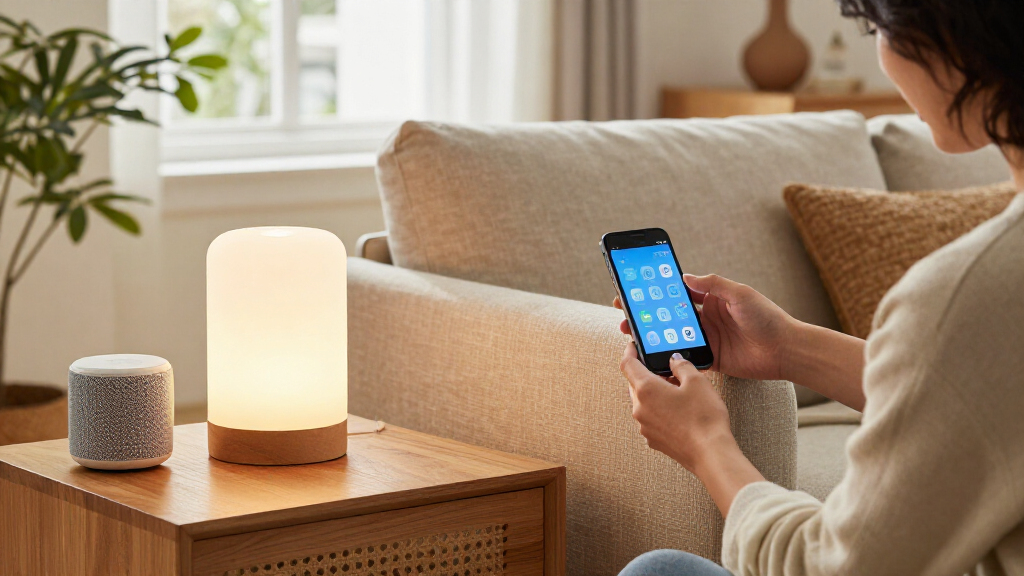
Matter Alpha’s guide identifies seven kinds of smart-home devices that may benefit from Thread: bulbs, door and window sensors, motion and occupancy sensors, locks, blinds, buttons and remotes, and smart-home hubs or streaming devices. Thread’s low-power mesh networking can be useful for battery-powered devices and products spread around a home, but features and compatibility vary by model.
Matter Alpha has published a guide to seven types of smart-home devices that can benefit from Thread connectivity, including bulbs, sensors, locks, blinds, buttons and home hubs. The report argues that Thread’s low-power mesh network can suit devices that send small amounts of data, run on batteries or are placed beyond a router’s strongest coverage, while noting that capabilities differ by product.
The guide’s list covers smart light bulbs, door and window sensors, motion and occupancy sensors, smart locks, blinds and shades, smart buttons and remotes, and devices that also act as Thread border routers. Its examples include IKEA’s KAJPLATS bulbs, the Aqara Smart Lock U400, Flic Duo, and streaming or speaker products such as Google TV Streamer, Apple TV 4K (3rd generation, 128 GB) and Echo Dot Max. These are examples cited by the guide, not a complete compatibility list.
Matter Alpha says Thread can be a good fit for battery-powered sensors and locks because those products exchange relatively small amounts of information and may benefit from a mesh network. Sensors can also trigger automations: a door or window opening could prompt a thermostat adjustment, while occupancy detection could be used to control lighting, heating or blinds. The guide presents these as possible setups, not guaranteed functions for every product.
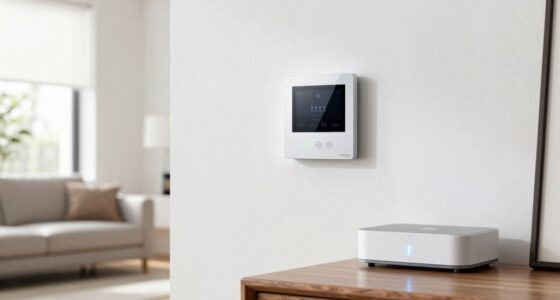
For lighting, blinds and other devices, the report’s case is that ordinary Wi-Fi may provide more bandwidth than simple commands require. Some Thread devices can also relay information for other Thread products, but the guide cautions that router functionality is not universal. It advises checking the manufacturer’s specifications before buying. A compatible Thread border router is needed to connect Thread devices with the wider smart-home system.
Where Thread Can Improve Daily Use
The practical case for Thread is less about adding features by itself and more about how devices connect. A low-power mesh connection can be useful for small devices that need to communicate without maintaining a more power-intensive Wi-Fi connection. That can matter for sensors and locks that rely on batteries, as well as devices installed around a house where a single router’s coverage may be uneven.
Thread can also support more responsive automations when compatible devices are set up together. For example, an occupancy sensor might activate lights or adjust shades, and a door sensor might trigger a heating rule. These outcomes depend on the specific devices, the smart-home platform and the user’s configuration; the guide does not report measured response times or battery-life comparisons.
For consumers, the main takeaway is to check the whole connection chain: whether a product supports Thread and Matter, whether a border router is available, and whether the device has the particular features needed. Thread support alone does not mean every product can route other devices or work with every smart-home setup.
Products Worth Considering

Philips Hue Bridge Pro Smart Lighting Hub

LG C2 Series 65-Inch OLED evo 4K Smart TV (OLED65C2PUA, 2022)

Samsung 48-Inch S90H OLED 4K Smart TV (2026)
As an affiliate, we earn on qualifying purchases.
Thread Across Seven Device Types
The source frames Thread as a wireless option increasingly adopted by manufacturers for low-power and remote applications. Its examples span both endpoints, such as sensors and bulbs, and products that can serve as part of the network. It says Google TV Streamer and some Apple TV and Echo products can provide smart-home hub or border-router functions, but buyers should confirm exact model support and configuration requirements with manufacturers.
The categories reflect different needs. Door and window sensors report simple states, while motion and occupancy sensors can be used to automate actions based on presence. Smart locks and blinds are often spread around a property and may be battery-powered or use other power sources. Buttons and remotes provide a physical way to initiate smart-home actions. In each case, Thread’s potential advantage depends on the product’s implementation and the rest of the home network.
The guide also mentions Matter, the smart-home standard used by many newer connected devices, alongside Thread. They are related but not interchangeable: a buyer should check whether a device supports Matter over Thread, another connection method, or both. The article notes that IKEA KAJPLATS bulbs also offer Zigbee connectivity for some older smart-home systems.
“Smart home devices typically work well with Wi-Fi, but some are even better when they have Thread.”
— Matter Alpha
Compatibility Depends on Each Model
The source does not provide a publication date, independent tests, measured battery-life gains, network-range figures or head-to-head performance comparisons with Wi-Fi. Its statements about reduced delays, range and power use are presented as general benefits of Thread, not as results from a controlled product test.
It is also unclear from the guide alone which versions of every named product support Thread, which regional variants are available, and whether all listed products can act as border routers. Product features can vary by model, software version and market. Buyers should verify compatibility with the manufacturer and check whether their existing hub or speaker supports Thread.
Check Support Before Buying
The next step for shoppers is to compare the exact device model’s specifications with the smart-home platform already in use. Check for Thread support, Matter compatibility, border-router requirements and any limits on automation features. For products such as bulbs, also confirm whether they can route Thread traffic if that function matters to the planned setup.
Matter Alpha’s guide does not announce a product launch or identify a new industry milestone. It is a buying guide, and the supplied material does not specify future updates or a follow-up date. Any broader assessment of Thread adoption will depend on manufacturers’ product releases and clearer, model-specific information about performance and compatibility.
Key Questions
What does Thread do in a smart home?
Thread is a low-power wireless mesh network used by compatible smart-home devices to communicate. A Thread border router connects the network to the wider home system.
Which devices does the guide say may benefit from Thread?
Matter Alpha lists bulbs, door and window sensors, motion and occupancy sensors, locks, blinds, buttons and remotes, and smart-home hub devices among the categories that may benefit.
Does every Thread bulb relay signals for other devices?
No. The guide says router functionality is not universal. Check the bulb manufacturer’s specifications for the exact model.
Do Thread devices also need Matter?
Thread and Matter are different technologies. Some products support Matter over Thread, while compatibility depends on the device and smart-home platform. Check the product’s listed protocols and hub requirements before purchasing.
Source: matteralpha.com