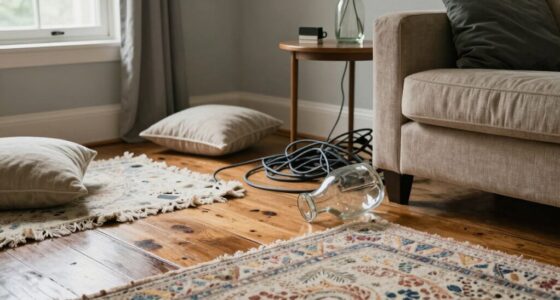
When helping seniors declutter, approach the process with patience and compassion, understanding that belongings often hold deep emotional significance. Support their decision-making by validating their feelings and sharing stories behind cherished items. Use photos to preserve memories and create space that reflects their current needs. Focus on maintaining their sense of control and emotional well-being, making the process meaningful and respectful. If you’re interested, you’ll discover more ways to make this experience positive and supportive.
Key Takeaways
- Approach decluttering with patience and empathy, acknowledging seniors’ emotional attachments to their belongings.
- Use storytelling and photos to preserve memories, making the process meaningful and less overwhelming.
- Support seniors in making their own decisions, validating their feelings and empowering their autonomy.
- Focus on keeping items that reflect their current needs and lifestyle, gently guiding them through letting go.
- Reassure that emotional attachment is normal, providing emotional support to foster trust and reduce stress.
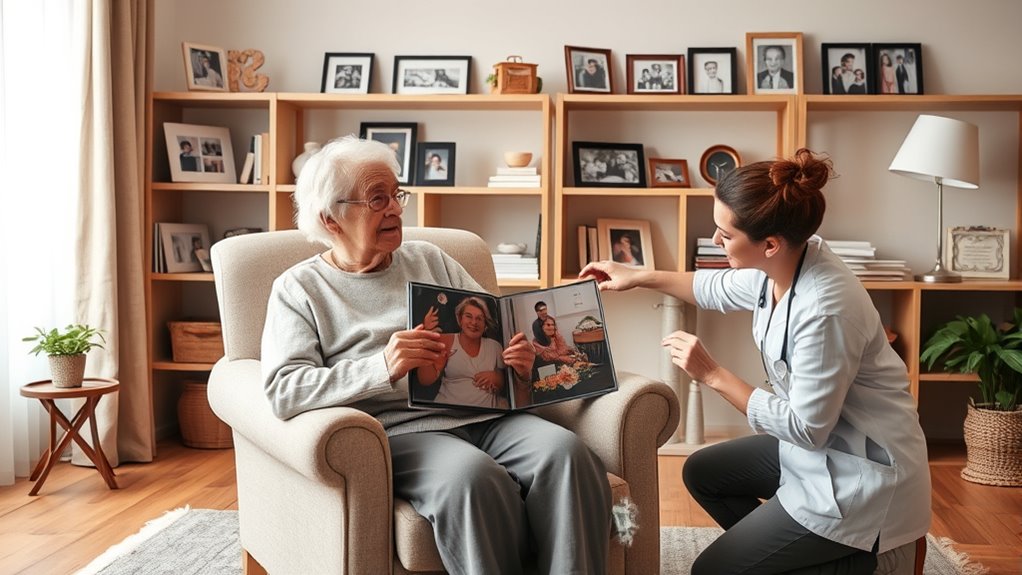
Have you ever felt overwhelmed by clutter but hesitant to let go of items that hold sentimental value? Many seniors face this challenge, as their belongings often represent a lifetime of memories. When helping seniors declutter, it’s essential to approach the process with compassion, understanding that each item carries emotional weight. Your goal isn’t just to tidy up space but to support their emotional well-being while preserving important memories. Memory preservation becomes a key focus because these objects often serve as tangible links to loved ones, milestones, or significant moments. Recognizing this helps you approach decluttering with patience and respect, rather than haste or judgment.
You can start by gently encouraging them to share stories behind their belongings. This creates an emotional support system that reassures them their memories are safe, even if the items are no longer needed or practical. It turns the decluttering process into a meaningful activity, rather than a task that feels like loss. Listening carefully, you’ll learn which items are truly priceless and which can be let go without regret. Sometimes, capturing photographs of treasured objects allows seniors to keep a visual memory without holding onto physical clutter. This preserves their emotional connection while freeing up space and reducing the overwhelming feeling clutter can generate. Additionally, understanding the importance of memory preservation can guide your approach to ensuring their emotional needs are met during the process.
Throughout the process, it’s important to validate their feelings. Reassure them that it’s okay to feel attached and that their emotions are valid. By doing so, you’re providing emotional support that can make the difference between a stressful experience and a positive, empowering one. Encouraging them to decide what to keep and what to part with helps restore a sense of control and autonomy. Focus on their priorities—what truly matters—and help them create a space that reflects their current lifestyle and needs.

ReliThick Graduation Photo Album Holds 200 Pcs 4 x 6 Inch Photo 2026 Graduation Leather Album with Front Window Memory Scrapbook for College High School Graduate Gift (Stylish)
Preserve Precious Memories: the photo albums provide a luxurious yet sturdy shelter for your cherished memories; The photo…
As an affiliate, we earn on qualifying purchases.
As an affiliate, we earn on qualifying purchases.
Frequently Asked Questions
How Can I Motivate Reluctant Seniors to Declutter?
You can motivate reluctant seniors by using motivational strategies that focus on their personal benefits, like safety and comfort. Offer emotional support by listening to their feelings and concerns, making them feel heard and valued. Break the decluttering process into small, manageable steps and celebrate each success. Your patience and encouragement will build their confidence, helping them see decluttering as a positive, empowering experience rather than a burden.
What Are the Legal Considerations When Donating Seniors’ Belongings?
When donating seniors’ belongings, you need to consider estate planning and legal documentation. Make certain you have their consent and proper authorization, like power of attorney, to avoid misunderstandings. Check if items are protected by wills or legal restrictions. Respect their wishes while fulfilling legal obligations, and document all transactions carefully. This approach helps you honor their legacy while staying compliant with laws governing donations and estate management.
How Do I Handle Sentimental Items Difficult to Part With?
You can handle sentimental items by prioritizing memory preservation and respecting emotional attachment. Encourage your loved one to choose a few meaningful pieces to keep and suggest creating a photo album or digital archive of other items. This way, they preserve memories without feeling overwhelmed by clutter. Be patient and gentle, understanding that letting go is emotional, and offer reassurance that their memories remain intact, even if the items don’t.
What Safety Precautions Should I Take During Decluttering?
Did you know falls are the leading cause of injury among seniors? During decluttering, prioritize safety by wearing appropriate safety gear like gloves and sturdy shoes. Keep an emergency plan in place, including a phone nearby and clear pathways to avoid trips. Always lift heavy items with proper technique, and work slowly to prevent accidents. Taking these precautions helps guarantee a safe, smooth decluttering process for everyone involved.
How Can I Maintain Clutter-Free Spaces Long-Term?
You can maintain clutter-free spaces long-term by establishing effective storage solutions that keep items organized and easily accessible. Incorporate daily routines, like tidying up each evening or after use, to prevent clutter from building up again. Consistently evaluate your belongings, donating or discarding what’s no longer needed. These habits help you stay organized, making it easier to enjoy a tidy, peaceful environment every day.
emotional support decluttering tools for elderly
As an affiliate, we earn on qualifying purchases.
As an affiliate, we earn on qualifying purchases.
Conclusion
Remember, decluttering isn’t just about tidying up; it’s about honoring your loved ones’ memories and easing their daily life. By approaching this process with compassion, you create a safe space for healing and growth. Some believe that letting go of clutter can actually free the mind and spirit, opening the door to new experiences. Trust that your gentle support can make this journey easier, turning a difficult task into a meaningful act of care.

Vtopmart 6 Pack Clear Stackable Storage Bins with Lids, Large Plastic Containers with Handle for Pantry Organizer and Storage,Perfect for Bathroom,Cabinet,Kitchen,Fridge,Closet Organization
✅Functional Storage for Any Space: You can use these pantry bins for various things throughout your home to…
As an affiliate, we earn on qualifying purchases.
As an affiliate, we earn on qualifying purchases.
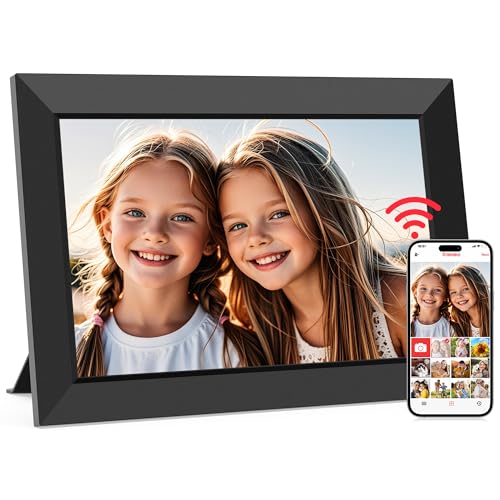
Frameo 10.1 Inch WiFi Digital Picture Frame, Smart Cloud Electronic Photo Frame with HD IPS Touch Screen Slideshow 32GB Memory Auto-Rotate Wall Mount, Share Photos/Videos from Phone – Gifts for Mom
SHARE MOMENTS INSTANTLY & SECURELY: Easily send photos and videos (up to 15s) from anywhere to your Frameo…
As an affiliate, we earn on qualifying purchases.
As an affiliate, we earn on qualifying purchases.