
To make a guest room easier for short-term care needs, focus on accessibility, safety, and comfort. Make certain there’s enough space for mobility aids, with clear pathways and easy-to-reach essentials like a bedside table and call button. Add adjustable lighting and supportive mattresses for comfort. Incorporate privacy features and organized storage to reduce stress. Thoughtful touches create a welcoming environment. Want to discover even more ways to optimize your guest room? Keep exploring for practical tips.

Get furniture and decor delivered free with Prime
- Fast, free delivery on millions of items
- Prime Video, Amazon Music and more included
- Member-only deals all year
Key Takeaways
- Ensure ample space for mobility aids and clear pathways for easy movement.
- Incorporate adjustable or higher beds for safe and comfortable ingress and egress.
- Install accessible storage and essential items within reach to minimize unnecessary movement.
- Use proper lighting and natural light to enhance visibility and safety during routines.
- Add privacy features like locks, screens, and window coverings to create a secure environment.
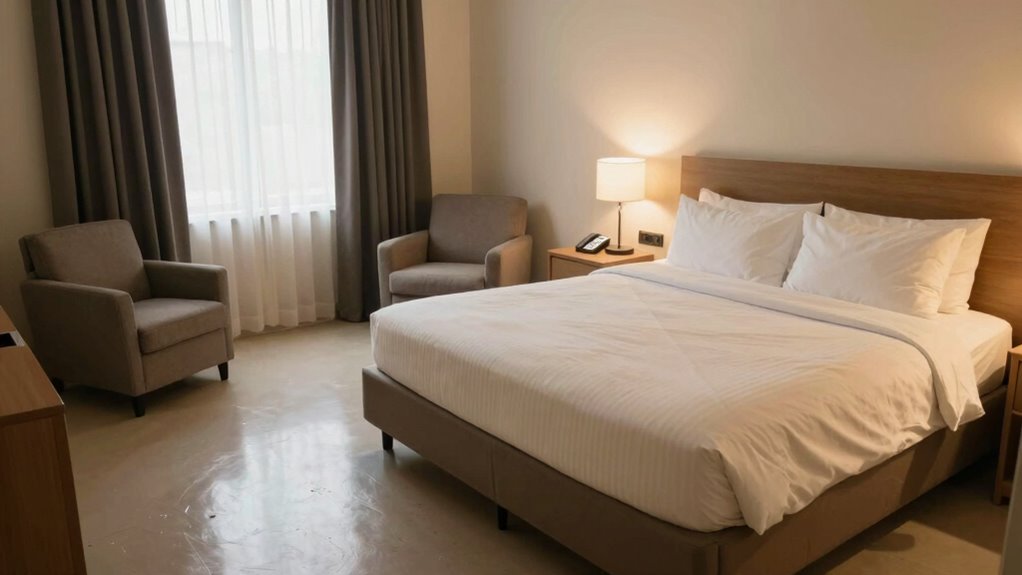
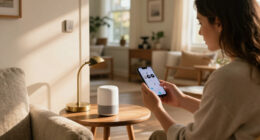
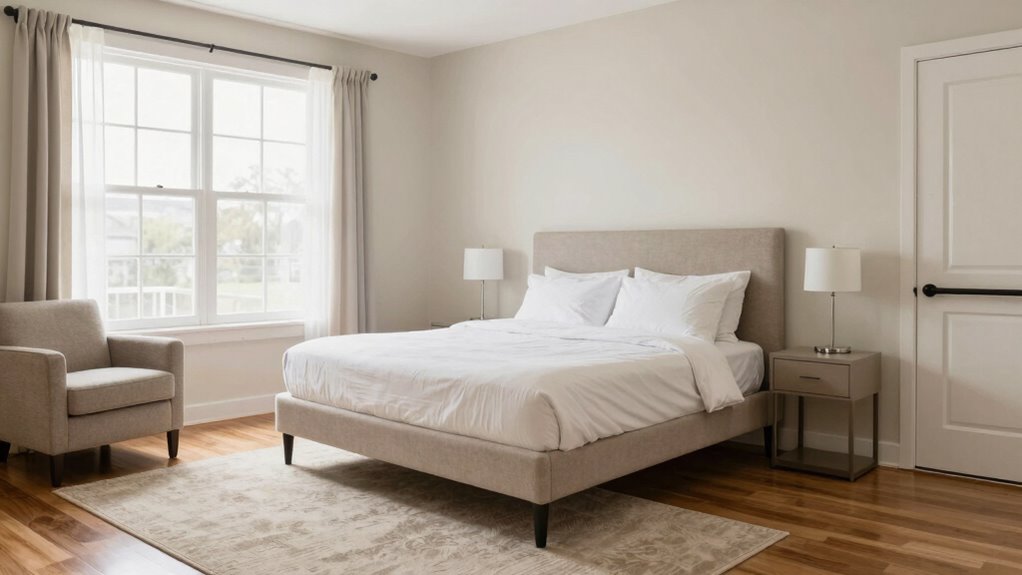
Have you ever considered transforming a guest room into a comfortable space for short-term care? If so, you’re already thinking about creating a practical environment that balances comfort with functionality. One of the first things to focus on is making the room accessible and easy to navigate. That means ensuring there’s enough space for mobility aids, like walkers or wheelchairs, so your guest or loved one can move around without feeling cramped or restricted. Clear pathways are essential, so remove unnecessary furniture or obstacles that could cause tripping hazards. Having a room that’s easy to access and maneuver in not only boosts independence but also makes caregiving simpler for you. Incorporating small wood stoves or other safe heating solutions can also add comfort and warmth, especially during colder months. Privacy considerations are equally important when designing a short-term care room. You want your guest to feel safe and comfortable, which starts with creating a sense of privacy. This can mean installing a lock on the door, adding a privacy screen, or choosing window coverings that block out unwanted light. Think about placement too: positioning the bed away from the door or common areas helps provide a quiet, secluded space. A dedicated area for personal belongings and toiletries also supports privacy, giving your guest a sense of independence and dignity during their stay. Respecting privacy doesn’t mean isolating them but rather providing a space that feels secure and personal. In addition to privacy, comfort is key. Invest in a good-quality mattress that offers support and relieves pressure, especially if the guest will be staying for a few days. Bed height matters, too—you want it to be easy to get in and out of, which is where adjustable or higher beds can be beneficial. Make sure that essential items like a bedside table, reading light, and call button are within easy reach, reducing the need for unnecessary movement. Incorporating accessible storage for clothing and essentials to keep the room organized and clutter-free, making daily routines smoother. Additionally, considering home safety features during setup can help prevent accidents and enhance overall security. Proper lighting and emergency preparedness can further ensure safety and peace of mind for both the guest and caregiver. Furthermore, adding smart home technology can facilitate easier control of lighting, temperature, and security features, making the room even more user-friendly. Lighting is another vital aspect. Natural light helps maintain circadian rhythms and improves mood, but adjustable lighting is also essential for nighttime comfort. Install lamps or wall switches that are easy to operate, especially if mobility becomes limited. Finally, consider adding some personal touches—photos, favorite books, or comforting decor—to make the room feel welcoming and less clinical. When you combine mobility aids, privacy considerations, and thoughtful design, you create a space that’s not only easier to use for short-term care but also genuinely supportive of your guest’s well-being.
Products Worth Considering

Philips Hue Secure Starter Kit with Contact Sensors, Motion Sensor, Bridge, and Color Smart Bulbs

Bose TV Speaker Compact Soundbar with Bluetooth and HDMI-ARC, Black

Ring Floodlight Cam Wired Plus, 1080p HD Outdoor Security Camera with Motion-Activated Floodlights, Black
As an affiliate, we earn on qualifying purchases.
Frequently Asked Questions
How Can I Maximize Space in a Small Guest Room?
To maximize space in a small guest room, start by choosing a light color scheme and incorporating decorative accents that reflect your style without overwhelming the room. Use multi-functional furniture like a bed with storage drawers or a fold-out sofa. Keep clutter minimal, opt for wall-mounted shelves, and select compact furniture. These steps create an open, inviting atmosphere while providing practicality for short-term care needs.
What Are the Best Lighting Options for Ease of Access?
You should opt for smart lighting and adjustable fixtures to make the guest room easier for short-term care. Smart lighting lets you control brightness and color temperature with a simple app or voice command, making it easier to find the right lighting quickly. Adjustable fixtures, like bedside lamps or wall-mounted lights, allow you to customize lighting levels for comfort and accessibility, ensuring safe and easy navigation during any time of day or night.
Which Safety Features Are Essential for Elderly Guests?
A stitch in time saves nine, so guarantee your guest room is safe for elderly visitors. You should have clear emergency exits, easily accessible and unobstructed, in case of emergencies. Non-slip flooring is essential to prevent falls, especially on wet surfaces. Add grab bars near beds and bathrooms, and keep pathways clutter-free. These safety features help create a secure environment, making short-term stays comfortable and worry-free for your elderly guests.
How Do I Make the Room More Private and Comfortable?
To make the room more private and comfortable, start by adding soundproofing techniques like thick rugs, heavy curtains, or wall panels to reduce noise. Install privacy curtains around the bed or seating area for quick privacy when needed. Use soft lighting and comfortable furniture to create a cozy atmosphere. These steps help your guest feel secure and relaxed, ensuring their short-term care needs are met comfortably.
What Are Affordable Ways to Upgrade Guest Room Accessibility?
Think of your guest room as a blank canvas, ready for a smart home upgrade. You can boost accessibility affordably by adding voice-activated lights, smart doorbells, or motion sensors, all within your budget. A simple renovation like installing grab bars or lowering light switches makes the space safer. These budget-friendly improvements transform your guest room into a more accessible, tech-savvy haven, perfect for short-term care needs.
Conclusion
So, next time you convert your guest room into a temporary care haven, remember: a few well-placed rails, a comfy chair, and maybe a snack station can turn chaos into calm. Who knew caregiving could be so glamorous? Just think of your guest room as the five-star hotel of short-term care—minus the fancy lobby, but with plenty of cozy, accessible charm. After all, caring has never looked so stylishly effortless.