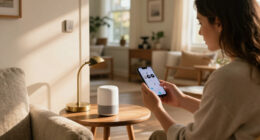
Choosing a smartphone for an elderly loved one involves balancing ease of use, safety features, and connectivity options. The Lively Jitterbug Smart3 stands out for its simplicity and support, while the Jitterbug Smart5 offers a larger screen and emergency features. For those comfortable with more modern devices, the 4G unlocked smartphone provides a big, clear display with versatile connectivity. Each option has tradeoffs—some are highly simplified at the expense of advanced features, while others require active plans and familiarity with technology. Here’s a curated look at the top choices to help you find the best fit based on individual needs and tech comfort level.

Get furniture and decor delivered free with Prime
- Fast, free delivery on millions of items
- Prime Video, Amazon Music and more included
- Member-only deals all year
Complete the kit


Key Takeaways
- Large, easy-to-read screens are essential for seniors with vision challenges.
- Simplified interfaces reduce frustration but may limit advanced functionalities.
- Built-in safety features like emergency buttons and GPS are critical for safety.
- Compatibility with carrier plans and ease of activation influence overall usability.
- Tradeoffs often involve balancing simplicity against modern features like multitasking or multimedia.


| smart phone for elderly | Screen Size |
|---|---|
| LIVELY Jitterbug Smart3 Smartp | Large |
| LIVELY Jitterbug Smartphone fo | 6.75 inches |
| LIVELY Jitterbug Smartphone fo | 6.7 inches |
| 4G Senior Cell Phone Unlocked | — |
| Doro Aurora A20 Flip Smartphon | — |
More Details on Our Top Picks
LIVELY Jitterbug Smart3 Smartphone for Seniors – Easy-to-Use Cell Phone with Large Screen and Voice Typing
The Jitterbug Smart3 excels in offering a straightforward experience for seniors who prefer a device with minimal fuss. Its large screen and simple menu make navigation intuitive, and voice typing simplifies text entry. Compared with more advanced smartphones, it sacrifices some multimedia capabilities but wins on reliability and user support, especially with Lively’s dedicated care team. The long battery life ensures less frequent charging, and the affordable plans make it a practical choice. However, it’s restricted to Lively’s network and requires activation through their service, limiting flexibility for some users.
Pros:- User-friendly interface with large screen and simple menu
- Reliable connectivity with long-lasting battery
- Support from a dedicated care team
- Affordable unlimited plans
Cons:- Limited to Lively service plans
- Not compatible with other carriers
- Restricted feature set for tech enthusiasts
Best for: Seniors seeking a reliable, easy-to-use device with strong support and basic connectivity.
Not ideal for: Tech-savvy users wanting advanced features or those who prefer carrier flexibility.
- Screen Size:Large
- Menu Type:List-based
- Battery:Long-lasting
- Connectivity:Compatible with Lively service
- Includes:Voice typing, video chat
- Price Plan:Affordable unlimited talk and text
Our verdict“A dependable, simple smartphone ideal for seniors prioritizing ease and support over advanced features.”
LIVELY Jitterbug Smartphone for Seniors with No SIM Needed, Smart5
The Jitterbug Smart5 makes a compelling choice for seniors who want a larger screen—6.75 inches—for easier reading and navigation. Its intuitive interface and voice calling features are designed to reduce frustration, and the inclusion of an Urgent Response button enhances safety. Activation requires an active Lively plan, which may add complexity for some users, but the online activation process streamlines setup. This device’s main advantage over the Smart3 is its bigger display, though it’s limited to Lively’s network, making it less flexible for those outside their coverage area.
Pros:- Enormous, easy-to-read screen
- Simple and intuitive interface
- Includes Urgent Response button for emergencies
- Online activation process
Cons:- Limited to Lively network plans
- Requires active plan to operate
- No compatibility with non-Lively carriers
Best for: Seniors who prioritize a large screen and emergency features in a simple device.
Not ideal for: Users seeking flexibility with carrier plans or advanced multimedia options.
- Compatibility:Lively Phone Service only
- Screen Size:6.75 inches
- Pre-installed SIM:Yes
- Features:Easy menu, voice calling, Urgent Response
- Activation:Online
- Additional Safety:Urgent Response button
Our verdict“Ideal for seniors needing a large screen and safety features, with the caveat of carrier restrictions.”
LIVELY Jitterbug Smartphone for Seniors, No SIM Needed, Smart4
The Jitterbug Smart4 shares many features with the Smart5 but is slightly more affordable and just as user-friendly. Its 6.7-inch display offers clear readability, and the simple menu design reduces confusion. The device includes safety features such as an Urgent Response button and real-time call captioning for improved accessibility. Like its siblings, it’s limited to Lively’s network, making it suitable only for users within coverage. It’s a strong choice for seniors who want safety and support in a straightforward device, though it offers fewer multimedia capabilities than more advanced smartphones.
Pros:- Large, easy-to-read screen
- Simple, familiar interface
- Built-in safety features like Urgent Response
- Support from Lively’s care team
Cons:- Requires active Lively plan
- Limited to Lively network
- Less multimedia versatility than modern smartphones
Best for: Seniors who want a safety-focused device with excellent support and a manageable learning curve.
Not ideal for: Those wanting full multimedia features or flexibility with carrier plans.
- Compatibility:Lively phone service only
- Screen size:6.7 inches
- Pre-installed SIM:Yes
- Features:Voice calling, safety button, call captioning
- Safety:Urgent Response button
- Support:Lively care team
Our verdict“A strong safety and support device for seniors who prefer simplicity and reliability.”
4G Senior Cell Phone Unlocked, 6.56″ HD+ Display, 3GB RAM, 32GB ROM, 4000mAh Battery
This unlocked Android device offers a 6.56-inch HD+ screen that balances size and clarity, suitable for seniors who want a modern smartphone experience. Its 4000mAh battery supports all-day use, and eSIM support allows easy activation without physical SIM cards. While it provides a more versatile experience with the latest connectivity options, it lacks the dedicated safety features of the Lively models, and the 3GB RAM may limit multitasking. It’s best suited for seniors comfortable with Android and seeking a device that can handle daily apps and multimedia without carrier restrictions.
Pros:- Large HD+ display with good clarity
- Long-lasting 4000mAh battery
- Supports eSIM for flexible activation
- Modern connectivity options
Cons:- Limited to T-Mobile or AT&T network (depending on configuration)
- No dedicated safety features
- Limited RAM for multitasking
Best for: Senior users who want a larger screen and versatile features, comfortable with Android.
Not ideal for: Those preferring simple safety-focused devices or who prefer physical SIM slots.
- Display:6.56″ HD+
- RAM:3GB
- Storage:32GB ROM
- Battery:4000mAh
- Camera:13MP rear, 5MP front
- Connectivity:eSIM, USB-C, Wi-Fi, Bluetooth
- OS:Android 13
Our verdict“A flexible, modern smartphone for tech-savvy seniors who want a large display and versatile connectivity.”
Doro Aurora A20 Flip Smartphone – Senior Phone with Help Button and GPS Tracking
The Doro Aurora A20 prioritizes simplicity with its flip phone design, making it easier for seniors unfamiliar with touchscreen smartphones. Its built-in help button with GPS tracking enhances safety, and hearing aid compatibility improves audio clarity. It’s a straightforward device, lacking the multimedia features of modern smartphones, but it offers dependable communication and safety support. The limited feature set makes it less suitable for tech users who want internet browsing or apps, but it’s ideal for those who prefer a basic, reliable phone with emergency support.
Pros:- Easy-to-use flip design
- Help button with GPS tracking
- Hearing aid compatible
- Simple, reliable communication
Cons:- Limited advanced features
- No camera or multimedia options
- Battery life not specified
Best for: Seniors seeking a simple, reliable flip phone with safety features.
Not ideal for: Users wanting internet access, apps, or advanced multimedia capabilities.
- Color:White
- Help Button:Yes
- GPS Tracking:Yes
- Hearing Aid Compatibility:Yes
- Included Accessories:USB Cable
Our verdict“A straightforward flip phone ideal for seniors prioritizing safety and ease of calling over multimedia features.”

How We Picked
Our selection process focused on devices specifically designed for seniors or adapted for easy use by elderly users. We prioritized large, high-contrast screens, simple navigation, and safety features like emergency buttons or GPS tracking. Compatibility with major carriers and affordability were also key. We compared user interfaces, support options, and hardware durability, choosing options that balance ease of use with modern connectivity. Devices that require complex activation or limited carrier compatibility were filtered out, ensuring our picks are practical for most seniors and their families.
Factors to Consider When Choosing Smart Phone For Elderly
When selecting a smartphone for an elderly loved one, it’s vital to consider their comfort with technology, safety needs, and the environments where they will use the device. A large, high-contrast screen and simple interface help reduce frustration, while safety features like emergency buttons or GPS tracking provide peace of mind. Compatibility with carrier networks and plan affordability also influence long-term usability. The right choice balances ease of use with the features that support independence and safety—whether that’s a basic flip phone or a simplified smartphone with modern connectivity.Ease of Use and Accessibility
Look for large, clear screens and straightforward menus. Devices with dedicated buttons or voice commands can significantly reduce confusion and frustration. Hearing aid compatibility and call captioning improve accessibility for users with hearing impairments. Simplified interfaces often mean fewer apps or features, which can be a positive for those overwhelmed by technology.
Safety and Support Features
Emergency buttons, GPS tracking, and support from dedicated care teams are invaluable. These features help users feel secure and enable quick assistance if needed. Devices that include an Urgent Response button or fall detection add an extra layer of protection, especially for users with health concerns or mobility issues.
Connectivity and Carrier Compatibility
Consider whether the device works with your preferred carrier. Some devices are locked to specific networks, limiting flexibility. eSIM support offers modern convenience, but physical SIM slots are often easier for seniors to manage. Plan costs and activation processes should also be factored into your decision to avoid surprises later.
Additional Features and Limitations
While multimedia capabilities, apps, and internet access can be beneficial, they might also complicate use for some seniors. Decide whether these features are necessary or if a simple device better suits their needs. Be aware that more advanced smartphones may require a learning curve and higher costs.
Frequently Asked Questions
What features are most important for a smartphone for elderly users?
Key features include a large, high-contrast screen for easy reading, a simple and intuitive interface, and safety features like emergency buttons or GPS tracking. Hearing aid compatibility and call captioning can also improve accessibility, while long battery life reduces the need for frequent charging.Are safety features like emergency buttons worth the extra cost?
Yes, safety features such as emergency buttons and GPS tracking provide peace of mind for both seniors and their families. They enable quick assistance in emergencies, which is especially important for seniors with health or mobility issues. While they may add to the device’s cost, safety often outweighs the expense.Can I switch a senior’s device to a different carrier later?
It depends on the device’s compatibility. Devices locked to specific networks or those requiring carrier-specific plans limit flexibility. Unlocked phones with eSIM support can be transferred more easily, but always check the device’s specifications and carrier policies before purchasing.How do I choose between a flip phone and a smartphone for an elderly person?
Choose a flip phone if simplicity and safety are priorities, especially for users uncomfortable with touchscreens. A smartphone with a large screen and simplified interface is better suited for tech-savvy seniors who want more connectivity and multimedia options. Assess their comfort with technology and safety needs to make the best choice.What is the main tradeoff when choosing a senior-friendly device?
The main tradeoff often involves balancing simplicity against advanced features. Devices focusing on ease of use may lack multimedia capabilities or customization options, while more versatile smartphones could be overwhelming or less reliable for seniors unfamiliar with technology. Prioritizing core safety and accessibility features usually provides the best overall experience.Conclusion
For seniors who prioritize simplicity and reliable support, the Lively Jitterbug Smart3 or Smart4 offer excellent safety features and easy navigation. Those seeking a large display and emergency support might prefer the Jitterbug Smart5. Tech-savvy seniors comfortable with Android should consider the unlocked 4G device for its larger screen and modern connectivity. Flip phone users or those needing basic safety features will find the Doro Aurora A20 to be a straightforward, dependable choice. Ultimately, selecting the right device depends on the user’s comfort level, safety requirements, and preferred connectivity style.