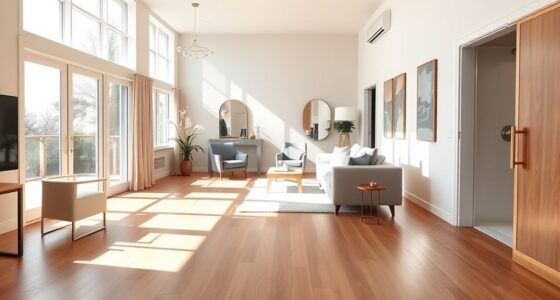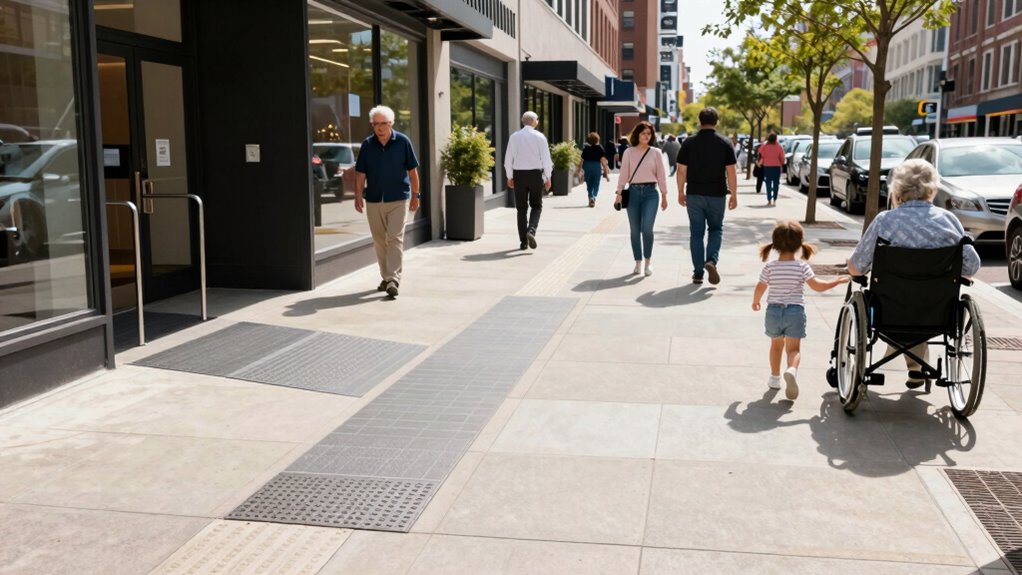
Universal design ideas that everyone uses focus on creating environments and tools that are naturally inclusive and easy to use. Think automatic doors, curb cuts, or adjustable furniture—features that enhance daily life for all ages and abilities without calling attention. These designs blend seamlessly into your routine, making spaces more accessible and comfortable. By embracing these simple, functional concepts, you can improve everyone’s experience—if you keep exploring, you’ll discover even more ways to make your space truly inclusive.

Get furniture and decor delivered free — and shop member deals
- Fast, free delivery on millions of items
- Access to Prime Big Deal Days deals on October 6–7
- Prime Video, Amazon Music and more included
Key Takeaways
- Effective universal design features, like automatic doors and curb cuts, are naturally adopted by all users, enhancing everyday convenience.
- Assistive technologies such as voice controls improve usability for everyone, not just those with disabilities.
- Adaptive tools like adjustable furniture seamlessly integrate into daily routines, benefiting diverse user needs.
- Subtle design elements, such as wider pathways and lever handles, promote effortless navigation for all individuals.
- Inclusive design principles focus on simplicity and flexibility, creating environments that are comfortable and accessible for everyone.
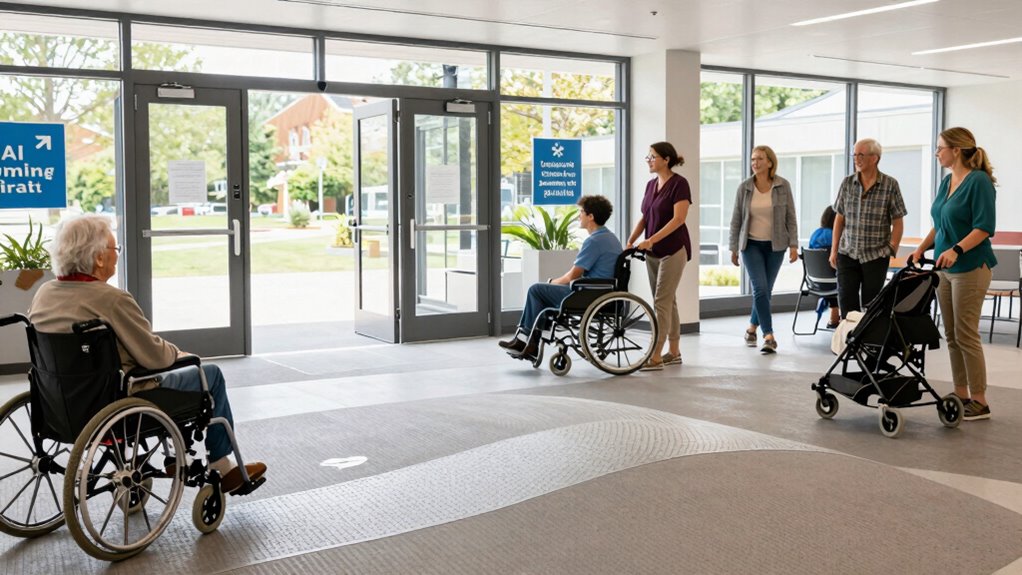
Have you ever considered how designing spaces and products with everyone in mind can make life easier for all? Universal design isn’t just about accessibility; it’s about creating environments and tools that work seamlessly for everyone, regardless of age, ability, or circumstance. When you think about it, many of the most effective design ideas are those that everyone naturally adopts—think of curb cuts, automatic doors, or adjustable furniture. These features, often born from assistive technology and adaptive tools, benefit not only those with specific needs but also the general population, making daily life smoother and more inclusive.
Assistive technology plays a pivotal role in universal design. It refers to gadgets and systems that help people overcome barriers—like voice-activated assistants, screen readers, or ergonomic keyboards. These tools aren’t just for people with disabilities; they make tasks easier for everyone. For example, voice-activated devices allow you to control lights or play music hands-free, which is handy when your hands are full. Adaptive tools, such as adjustable-height desks or easily maneuverable kitchen appliances, are designed to be flexible, accommodating various users effortlessly. When these features are integrated into everyday spaces, they naturally become part of the way everyone interacts with their environment, simplifying routines and reducing frustration.
You’ll find that the best universal design ideas are often the ones that don’t call attention to themselves. They blend into daily life, making routine activities more accessible without feeling like a special accommodation. Think of lever door handles instead of knobs—they’re easier to use for everyone, including those with limited hand strength, but they’re so intuitive that most people adopt them without a second thought. Similarly, wider pathways and no-step entries make spaces more navigable for wheelchairs, strollers, and even people carrying groceries, benefiting all users. These adaptations, rooted in assistive technology and adaptive tools, create a more inclusive environment where everyone can participate fully. Incorporating assistive technology into design not only benefits individuals with specific needs but also enhances overall usability. Additionally, designing with universal accessibility in mind ensures that environments remain functional and welcoming as needs evolve over time. This approach promotes inclusive design, which considers a broad spectrum of human abilities and preferences, leading to more resilient and adaptable spaces.
Ultimately, the most successful universal design ideas are those that everyone ends up using because they improve everyday experiences for all. By focusing on simplicity, flexibility, and integration of assistive technology, you can create spaces that are welcoming and functional for everyone—no special effort required. When design naturally accommodates diverse needs, it fosters independence, comfort, and ease, making life better for everyone, no matter their circumstances.
As an affiliate, we earn on qualifying purchases.
Frequently Asked Questions
How Can Universal Design Improve Everyday Safety?
Universal design improves your everyday safety by making environments more accessible through accessible technology and safety enhancements. You benefit from features like slip-resistant floors, better lighting, and easy-to-use controls, reducing fall risks and accidents. These thoughtful modifications help everyone, regardless of ability, navigate spaces confidently. By integrating universal design, you create safer, more inclusive environments that adapt to your needs and prevent hazards before they happen.
What Are Common Misconceptions About Universal Design?
A common misconception about universal design is that it sacrifices aesthetic appeal for functionality. Many believe it’s only for accessibility, but it actually integrates sleek, attractive features that suit everyone. People also think it limits technological integration, yet it enhances smart solutions that adapt seamlessly. You might assume it’s complicated or expensive, but smart design principles make universal design practical, stylish, and inclusive for all users.
How Does Universal Design Impact Property Value?
Universal design boosts your property value by increasing market appeal and making it accessible for everyone. Accessibility enhancements attract a broader range of buyers, including those with mobility challenges, which can lead to faster sales and higher offers. Implementing universal design features demonstrates you’re attentive to inclusivity, making your property stand out. Overall, these thoughtful additions not only improve functionality but also elevate your home’s desirability and long-term investment potential.
Are Universal Design Features Cost-Effective?
Universal design features are surprisingly cost-effective when you consider the long-term benefits. A thorough cost analysis often shows that initial implementation challenges, like adapting spaces for accessibility, pay off with increased property value and broader appeal. Imagine renovating your home to include wider doorways and no-step entries—these features reduce future modifications and attract more buyers. Ultimately, investing in universal design saves money and creates a more inclusive, functional space for everyone.
Can Universal Design Be Customized for Individual Needs?
Yes, universal design can be customized to meet individual needs through personal adaptation. You can modify features like adjustable countertops or lighting to suit your preferences, ensuring both functionality and comfort. Aesthetic flexibility allows you to integrate personal style without compromising accessibility. By tailoring universal design elements, you create a space that’s inclusive yet uniquely suited to your lifestyle, making it more comfortable and practical for everyone.
Conclusion
By embracing these universal design ideas, you create spaces that everyone can enjoy and navigate effortlessly. Remember, over 70% of people benefit from accessible designs—even if they don’t realize it—making your efforts truly impactful. Incorporating simple, inclusive features can transform environments into welcoming, functional places for all. So, start implementing these ideas today; they’re the ones everyone naturally uses and appreciates, fostering a more inclusive world for everyone.
Halloween Picks
halloween
As an affiliate, we earn on qualifying purchases.