
TL;DR

Get furniture and decor delivered free with Prime
- Fast, free delivery on millions of items
- Prime Video, Amazon Music and more included
- Member-only deals all year
Livingetc contributor Lisa Dawson recounts selling her family farmhouse in 2024, leaving behind a kitchen she had adapted over a decade, and creating a new kitchen after moving to a smaller home in York. A return visit a year later helped her see the old room being used by its new owners, while her renovation lessons shaped the design of her next kitchen.
Livingetc contributor Lisa Dawson has described selling her family farmhouse in 2024 and leaving behind the kitchen she had reshaped over a decade, then using lessons from that room to design a new one after downsizing to a smaller home in York. Her account traces how a kitchen tied to family life can be difficult to leave, while showing how its design ideas and role as a gathering place can carry on elsewhere.
Dawson said her family had lived in the large Georgian farmhouse for 10 years. With two of her three children at university and the household smaller, the property and its grounds no longer matched their needs. The family sold it to a couple with six children and moved to a Victorian terraced house in central York, with a courtyard garden and less space.
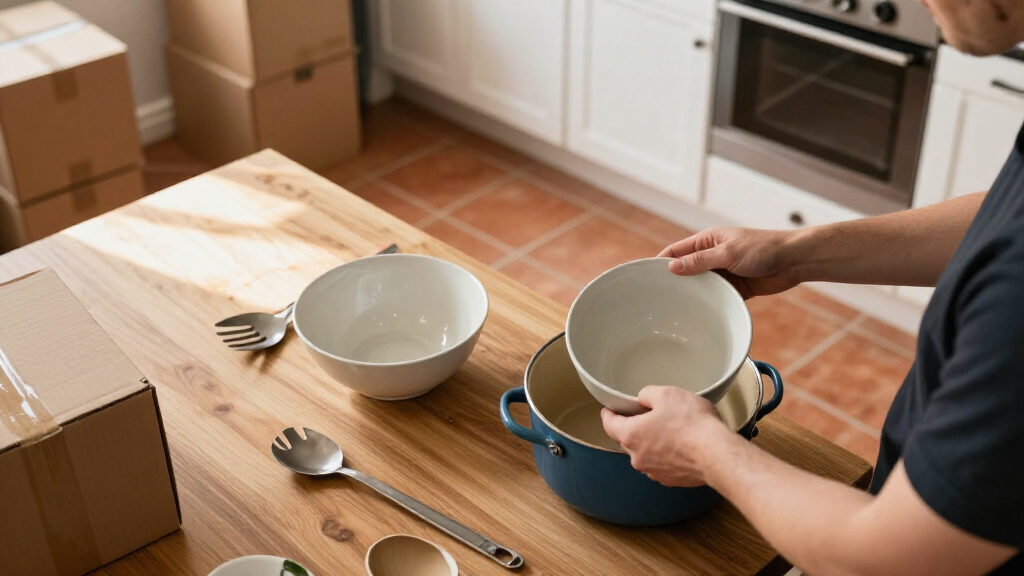
Downsizing meant sorting through years of collected kitchenware, including copper pots, cast-iron dishes and vintage glasses. Dawson kept items with personal meaning, but the kitchen itself could not move with her, and she carried forward lessons from Japanese kitchen storage. She had not installed its original cabinetry, she wrote, but over time changed its appearance with new work surfaces, tiles, shelves, flooring and cupboard doors. She also left behind an antique French shop counter, converted into a workbench more than two metres long.
The old kitchen had hosted family gatherings and social events, and became a focal point during lockdown. About a year after the sale, the new owners invited Dawson to dinner. She found the room familiar but changed by their artwork and accessories, and said she enjoyed seeing it used for the same kinds of shared meals and gatherings she had valued.
How a Kitchen Holds Family Memories
Dawson’s account is a personal report, not a broad study of moving or home design. Its significance lies in the practical and emotional trade-off she describes: a smaller home required her to part with objects and a large kitchen feature, but did not erase the memories associated with the old room. Seeing the kitchen in use by its new owners offered a different perspective on what she had left behind.
Her experience also illustrates how a move can prompt changes in priorities. The next kitchen was designed around a smaller space and a different household, while retaining the aim of making the room welcoming rather than purely functional. These reflections may resonate with readers facing a move, but Dawson’s conclusions remain her own account rather than advice tested across households.
Products Worth Considering

Dyson V8 Cyclone Cordless Vacuum

Google Nest Learning Thermostat (4th Gen) with Nest Temperature Sensor (2nd Gen), Obsidian

Levoit Vital Pet Pro Smart Air Purifier for Pets, White
As an affiliate, we earn on qualifying purchases.
From Farmhouse to York Terrace
The move followed a decade in a large detached farmhouse with four lawns and a converted barn apartment. Dawson wrote that maintaining the property was costly, especially when the family used only part of the space. Selling to a larger family allowed the house to suit its next occupants, while Dawson’s household moved into a smaller city home.
The York house had previously belonged to a chef who hosted supper clubs. It came with three ovens and extensive storage, but Dawson planned a renovation. During that work, her marriage broke down, and she continued the project with her son. She removed the existing kitchen and knocked down walls to create a layout better suited to her circumstances.
One design lesson came from the old kitchen: she rarely used its spotlights. In the new room, she replaced them with ceramic wall lights and lamps on the counters, aiming for softer, more ambient lighting. Dawson also wanted to retain a contrast between vintage and contemporary elements, drawing on what she had liked in the former space.
“I knew that I’d miss it.”
— Lisa Dawson, writing for Livingetc
What the Account Does Not Establish
The report is Dawson’s personal reflection and does not give the sale price, renovation budget, or a detailed timeline for the York kitchen project. It also does not describe the new kitchen’s finished layout or materials in detail beyond the lighting and the intention to mix vintage and contemporary styles. The article does not claim that her approach will suit every household or smaller kitchen.
The New Kitchen Takes Shape
Dawson’s account describes the renovation as a project she continued with her son after her marriage ended. The reported next step was creating a kitchen around the needs of their new household, applying lessons from the former home, including removing rarely used spotlights and making space for warmer lighting. The source does not provide a further update on the renovation or say whether the finished design has changed since publication.
Key Questions
Why did Lisa Dawson leave the farmhouse?
Dawson said her family had become smaller as two of her three children went to university, while the large home and grounds were costly to maintain and more space than they needed.
What did she leave behind in the old kitchen?
The kitchen itself stayed with the house, including a French shop counter adapted into a workbench more than two metres long. Dawson also described leaving a room she had updated over the years with new surfaces, tiles, shelves, flooring and cupboard doors.
Did she return to see the old kitchen?
Yes. About a year after the sale, the new owners invited Dawson to dinner. She said the kitchen still looked familiar but had gained their own artwork and accessories.
What design lesson did she apply to her new kitchen?
Dawson said she rarely used the old kitchen’s spotlights, so she removed them in the renovation and chose ceramic wall lights and counter lamps for softer lighting.
Source: livingetc.com